
















 2 min read
 Share
Share



In This Article
If you’re expecting a baby, you may be exploring different types of care—and wondering, what exactly does a midwife do?
Midwives are highly trained healthcare professionals who specialize in supporting women through pregnancy, labor, birth, and postpartum recovery. They’ve been part of childbirth for centuries, and today, they continue to play an important role in modern, evidence-based OB/GYN and maternity care.
Understanding midwifery care can help you feel more confident in your choices and find a care approach that feels right for you and your growing family.
What Is a Midwife?
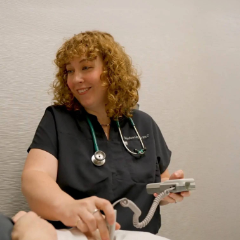
A midwife is a qualified healthcare provider who cares for women before, during, and after childbirth.
Midwives focus on low-risk, healthy pregnancies, offering personalized support throughout your journey. Perhaps one of the most meaningful aspects of midwifery care is the continuity, as you often see the same provider throughout pregnancy and beyond, building a relationship based on trust and understanding.
While some midwives are also nurses, midwifery is its own profession, with specialized training centered on pregnancy, birth, and postpartum care.
The Different Types of Midwives
Not all midwives have the same training or practice settings. Understanding the different types can help you decide what kind of care best fits your needs.
Certified Nurse-Midwives (CNMs)
Certified Nurse-Midwives are registered nurses who have completed advanced training in midwifery.
- Practice in hospitals, birth centers, and sometimes at home
- Can provide a wide range of women’s health services
- Often work alongside OB/GYNs when needed
CNMs are the most common type of midwife in the U.S. and are widely recognized for their clinical expertise.
Certified Midwives (CMs)
Certified Midwives receive the same midwifery training as CNMs but may not have a nursing background.
- Provide similar care to CNMs
- Practice in select states and healthcare systems
Availability can vary, so it’s helpful to check what options exist in your area.
Certified Professional Midwives (CPMs)
Certified Professional Midwives specialize in out-of-hospital births.
- Often attend home births or work in birth centers
- Focus on low-risk pregnancies
- Training and regulation vary by state
CPMs offer a more home-centered approach to birth for families seeking that experience.
What to Expect at Midwife Appointments
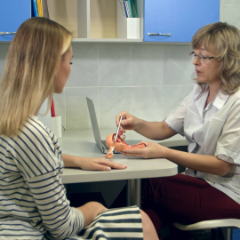
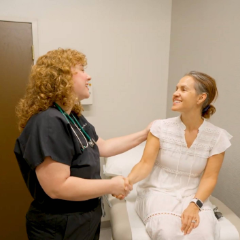
Midwife visits are designed to support both your physical health and your overall well-being.
During pregnancy, appointments with a midwife typically include:
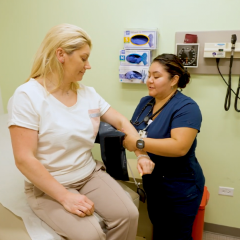
- Blood pressure checks and routine testing
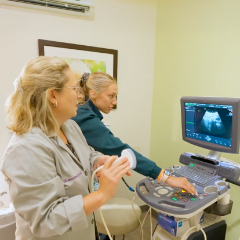
- Monitoring your baby’s growth and development
- Conversations about your birth preferences
- Open time to ask questions and discuss how you’re feeling
Midwives often take a more holistic, relationship-based approach, creating space for education, emotional support, and shared decision-making.
At WomanCare, we believe caring for the whole person—body, mind, and spirit—is essential to a healthy pregnancy and recovery.
When to Talk to a Midwife
If you’re considering midwifery care, it’s best to connect early—ideally within the first 8–10 weeks of pregnancy.
Starting early allows your provider to:
- Guide any important screenings and early care
- Answer questions as they come up
- Help you begin planning and preparing for your birth experience
Midwives can also be a great resource before pregnancy, especially if you’re planning to conceive and want guidance on preparing your body and health.
Schedule a Consultation with Our Midwifery Team
Midwives play a meaningful role in supporting women through one of life’s most important transitions.
At WomanCare, our midwifery team works alongside our physicians to provide compassionate, personalized care, so you feel supported, informed, and confident every step of the way.
Whether you’re just starting to explore your options or ready to begin care, we’re here to help you navigate your pregnancy with clarity and comfort.
Schedule a consultation today to learn more about midwifery care and what it could look like for you.