









 2 min read
 Share
Share



In This Article
If you suspect you might be pregnant, it’s natural to want answers as soon as possible. Whether you’re hoping for a positive result or simply looking for clarity, timing matters when taking a pregnancy test.
Understanding how pregnancy tests work and when to take one can help reduce unnecessary stress and improve the accuracy of your results. Testing too early can sometimes lead to a false negative, even if you are pregnant.
How Do Pregnancy Tests Work?
Pregnancy tests detect the hormone human chorionic gonadotropin (hCG) in your urine. Your body begins producing hCG after a fertilized egg implants in the uterus, usually about 6–12 days after ovulation.
If you test too early, your hCG levels may still be too low for a home pregnancy test to detect.
Most modern tests are highly reliable when used correctly, but timing plays a major role in accuracy.
How Early Can You Take a Pregnancy Test?
Some early pregnancy tests claim to detect pregnancy up to six days before a missed period. However, results this early are less reliable.
For the most accurate result:
- Test on the first day of your missed period
- Accuracy at this point is typically greater than 99%
- Testing earlier increases the chance of a false negative
If you test early and get a negative result but still suspect pregnancy, wait a few days and test again.
What Can Affect Pregnancy Test Accuracy?
Several factors can influence the accuracy of your test results.
-
Testing too early: If hCG levels haven’t risen enough yet, the test may show a false negative.
-
Irregular menstrual cycles: About 25% of women experience irregular periods, which can make timing harder to predict. In this case, waiting about 21 days after possible conception may give clearer results.
-
Certain medications or medical conditions: Some fertility medications that contain hCG may affect results. Rarely, medical conditions can also interfere with testing.
Always follow the instructions included with your test for the most accurate results.
Best Time of Day to Take an Early Pregnancy Test
Whether you take an early pregnancy test before a missed period or a later test, the time of day you collect your urine can affect your results. Urine is strongest first thing in the morning, and because of that, you should use your first urine of the day. If you test after your first missed period, a sample collected later in the day may provide enough hCG for reliable results.
Early Signs That May Prompt Testing
Pregnancy symptoms vary widely from person to person. Some women notice signs early, while others experience none at all.
Common early symptoms include:
- Breast tenderness
- Fatigue
- Nausea or morning sickness
- Increased urination
- Food cravings or aversions
- Heightened sense of smell
- Bloating
- Mild cramping
- Lower back pain
- Headaches
If you suspect pregnancy, even without symptoms, a home test can provide helpful answers.
What to Do If Your Test Is Negative
A negative result doesn’t always mean you aren’t pregnant.
If you believe you could be pregnant:
-
Wait 2–3 days
-
Take another pregnancy test
-
Contact your healthcare provider if uncertainty continues
Early testing often produces false negatives because hCG levels are still rising.
What to Do If Your Test is Positive
A positive pregnancy test is usually accurate. At this point, it’s important to begin taking steps to support a healthy pregnancy.
You may want to:
- Confirm your pregnancy with a healthcare provider
- Begin or continue prenatal vitamins
- Limit caffeine intake (recommended maximum: 200 mg per day)
- Avoid alcohol, tobacco, and other harmful substances
- Schedule your first prenatal visit
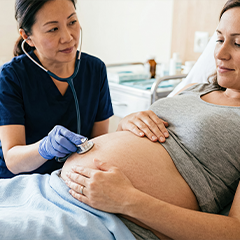
At WomanCare, our experienced OB/GYNs and midwives provide personalized prenatal care that supports women physically and emotionally throughout pregnancy. They are available to address any questions, monitor your health, and guide you throughout your pregnancy journey.
Schedule Your Women’s Health Consultation
Understanding your body helps you feel more confident and prepared, whether you're trying to conceive or beginning a pregnancy journey.
If you have questions about pregnancy testing, early pregnancy symptoms, or prenatal care, the WomanCare team is here to help.
Reach out today to schedule a consultation and ensure you and your future baby receive the best possible start.